Is Your Orlando Home's AC Unit the Right Size? How to Tell
Published: 2026-06-03 · By AC Repair Orlando Experts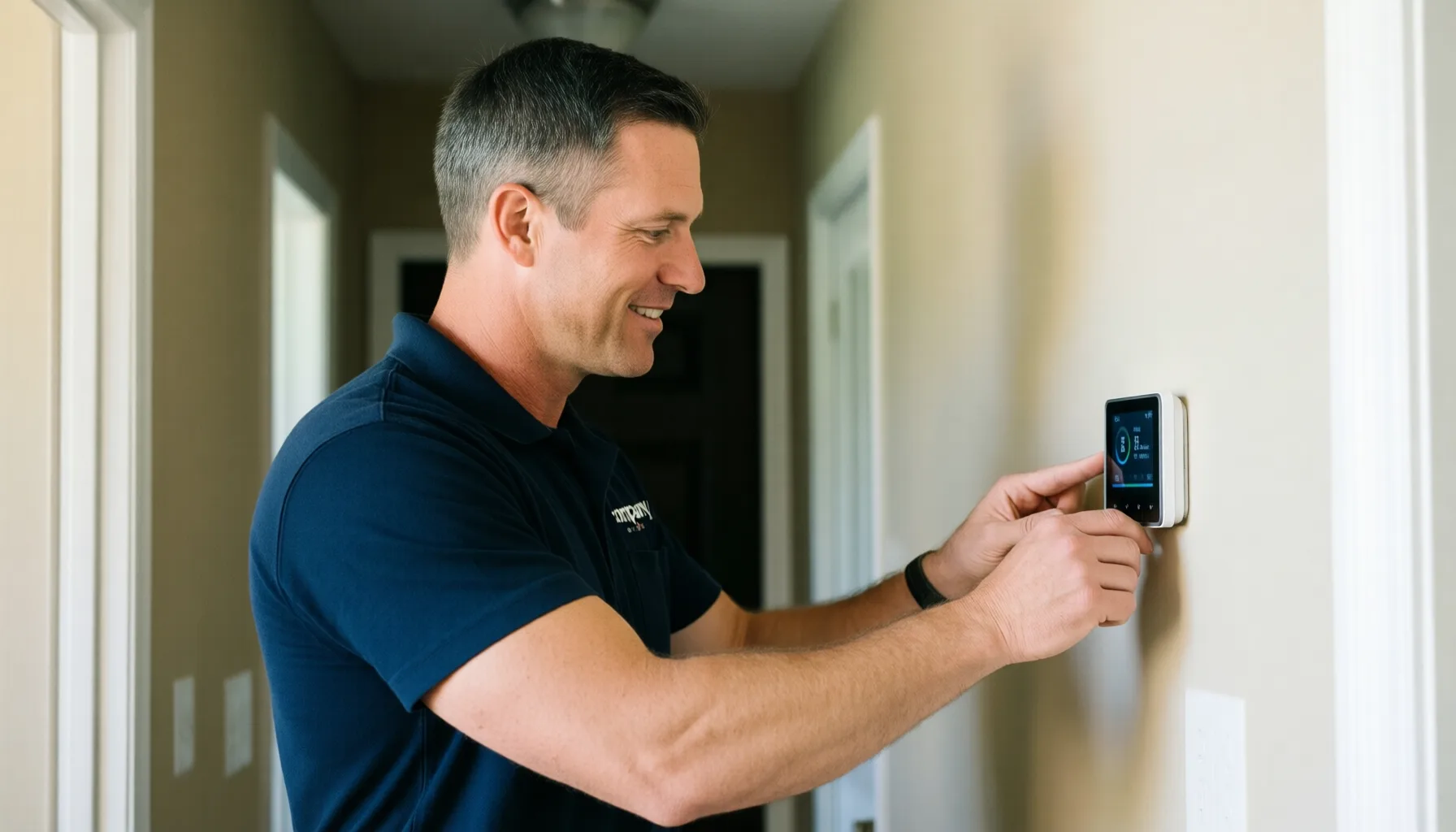
Living in Orlando means you're no stranger to sweltering summer heat combined with high humidity. It’s the perfect setting for air conditioning units to either thrive or - if not sized properly - underperform. A correctly sized AC unit ensures your home remains comfortable, even when tropical storms bring excessive humidity and fierce heat. As you bask in the comfort of your cooler home, consider how crucial the right size of your AC unit is to your health, comfort, and wallet. If you're experiencing uneven cooling or sky-high energy bills, it may be time to evaluate your air conditioning system.
Why This Matters for Orlando Homeowners
Many homeowners in Orlando don’t realize that an AC unit’s size directly influences its performance and efficiency. A unit that’s too small won't adequately cool your home, forcing it to work overtime and leading to higher energy bills. On the other hand, an oversized unit will cycle on and off frequently, increasing wear and tear and potentially leading to more repairs before its lifespan is up. Given our humid coastal climate, proper sizing is especially crucial.
Moisture can cause rapid corrosion to components, ramping up repair costs. Additionally, persistent humidity can foster mold growth, leading to health issues for occupants. Properly sized AC units maintain optimal humidity levels and enhance air quality, which is essential for Florida homes surrounded by salt air. The key is to understand how AC sizing works and why it’s essential to your home's comfort.
Expert Solutions & Actionable Tips
1. Consider the SEER Rating
In Orlando’s humid climate, the Seasonal Energy Efficiency Ratio (SEER) rating of your AC unit can significantly impact energy consumption and efficiency. The minimum SEER rating is 14, but opting for units with a higher SEER can save you money over time. While a SEER 16 unit may cost around $3,500-$6,000, it can result in up to 20% savings on energy bills. Given Orlando's high summer energy consumption, the investment is often worth it in the long run.
2. Home Size & AC Unit Size
To ensure efficiency, calculate the appropriate AC unit size based on your home’s square footage. A typical guideline suggests about 20 BTUs per square foot. For instance, a 1,500 square foot home may require a unit around 30,000 BTUs. It’s essential for Orlando homeowners to factor in local building codes and heat-retaining features of elevated homes, as incorrect sizing can lead to discomfort and increased energy costs.
3. Ventilation and Ductwork Adjustments
Make sure your ductwork is in good condition. Leaky ducts can lead to a significant decrease in efficiency, regardless of your AC unit's size. Sealing and insulating ducts can cost between $300-$700 but will enhance airflow and reduce loads on your AC. This adjustment is especially important in homes built to cope with Florida's specific challenges like humidity and storms.
4. Consider the Orientation of Your Home
The orientation of your home relative to the sun can impact heat gain significantly. If your home has a lot of windows facing the west, it may absorb more heat, necessitating a larger AC unit. Performing a heat analysis can help provide clarity; this process can cost around $150 but could save on future energy expenses and enhance your home’s comfort.
5. Invest in a Programmable Thermostat
A smart thermostat allows for better temperature control and can help you optimize the operation of your AC unit. Installing one might range from $100 to $300 but can vastly improve your energy efficiency. These devices are especially advantageous in humid climates like Orlando, enabling adaptive settings to combat rising humidity levels effectively.
6. Regular Maintenance Matters
Routine maintenance checks are vital in Orlando’s demanding climate. Regular cleaning, filter replacements, and system assessments can cost between $75 and $150 per service but will prolong the lifespan of your AC unit and ensure it’s operating at optimal capacity. Taking action before problems arise can save you from costly repairs, especially given our regular tropical storms.
Orlando Climate & Local Context
Orlando's tropical climate, characterized by high humidity and salt air, places a unique demand on air conditioning systems. Homes often require elevated structures with effective moisture barriers to mitigate damage from the intense elements. The building codes here typically require a continuous maintenance plan to address potential corrosion issues that can arise from the aluminum and metal used in air conditioning units exposed to salt air.
Moreover, with Orlando's consistent heat, homeowners may face code regulations that dictate efficiency standards for new HVAC systems. This requirement ensures that any replacement units are not only subject to performance metrics but also comply with local energy-efficiency goals, benefitting both your comfort and the environment.
When to Call a Professional
When it comes to AC repairs, deciding between DIY or hiring an expert can be a challenging choice. Certain tasks are manageable for homeowners, such as changing filters or cleaning condenser units; however, other situations demand professional intervention. Knowing when to call a pro can prevent costly mistakes and ensure system longevity.
- Refrigerant leaks or low refrigerant levels.
- Electrical issues like frequent circuit breaker trips.
- Inconsistent cooling in different areas of your home.
- Unusual noises or vibrations from the unit.
- System not turning on or off properly.
- Age of unit exceeds 10-15 years.
- AC unit emitting strange odors.
If you're experiencing any of these warning signs, it’s crucial to consult with professionals. Ignoring issues can lead to more significant problems that are both expensive and inconvenient, especially during the hot Florida summers.
Frequently Asked Questions
How do I know if my AC unit is the correct size?
Check the size in BTUs against the square footage of your home, and consult an expert for accurate calculations. Improper sizing can lead to discomfort and higher utility costs.
What are the common signs of an oversized AC unit?
Short cycling, high humidity levels indoors, and uneven temperatures often indicate an oversized unit. You might also notice faster wear and tear.
Is it worth it to upgrade to a more efficient unit?
In Orlando, energy savings during the hot months can justify the cost of upgrading, especially with rising energy prices and improvements in efficiency.
Can I perform my own AC repairs?
While some simple tasks like changing filters are doable, repairs like refrigerant leaks or electrical issues are best left to professionals to ensure safety and proper functioning.
What seasonal maintenance is recommended for Orlando homes?
Regularly clean the outdoor unit, check filters monthly, and have a professional perform maintenance bi-annually to prepare for the peak cooling season.
Get Expert Air Conditioning Repair Service in Orlando
If you're unsure about your AC unit's size or performance, don't hesitate to reach out! Call (321) 483-3621 to speak with the team at AC Repair Orlando Experts. We specialize in optimizing home comfort in Orlando's challenging climate.
Let's ensure your home is cool and comfortable all year round — your peace of mind starts with a quick call.